Copyright © 2026 Yorke Antique Textiles
.avif)

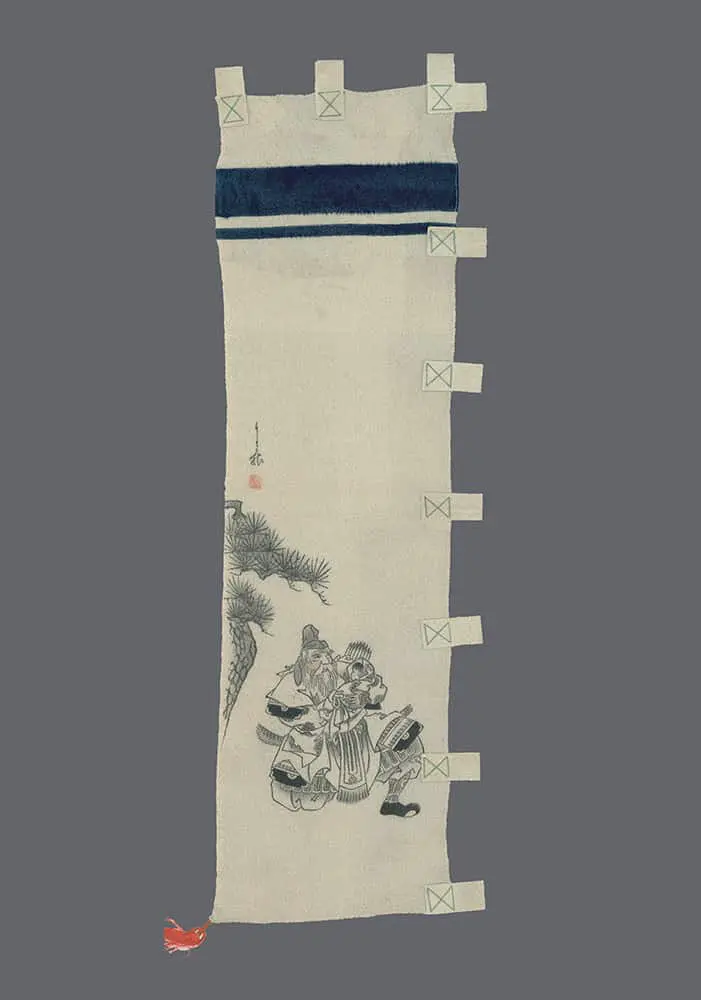
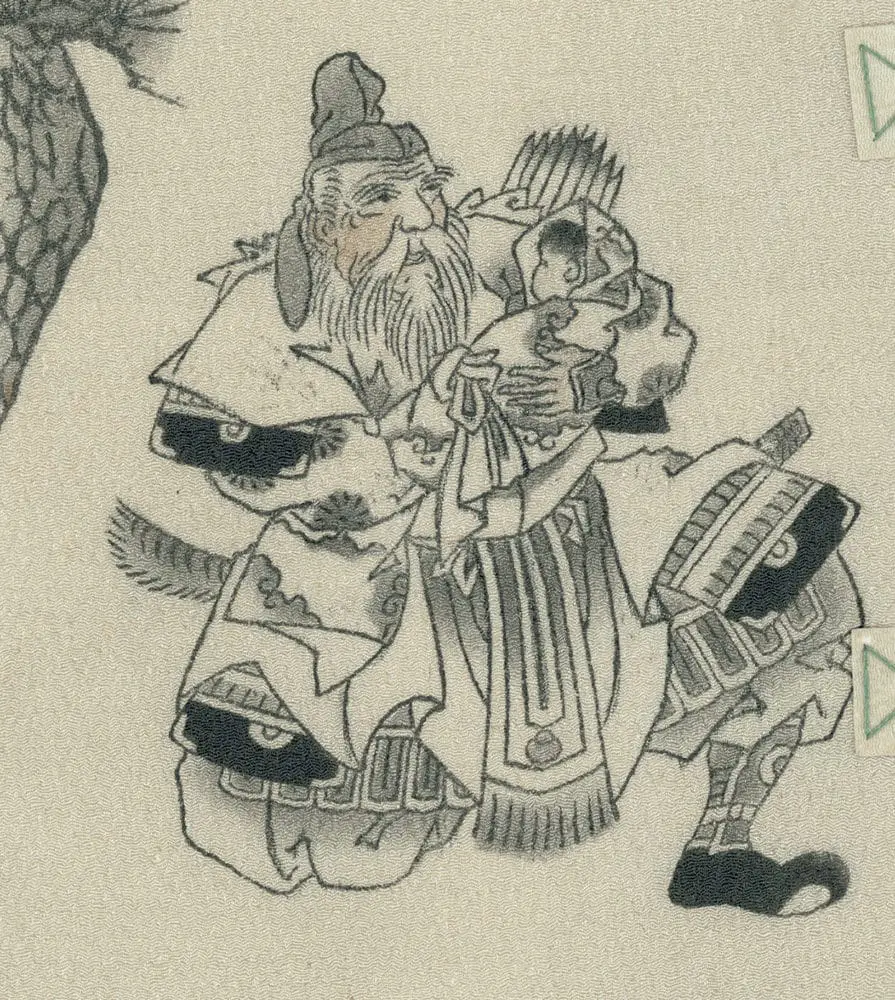
This rare miniature nobori bata (festival banner), dating from 1850–1900 (late Edo to mid-Meiji), is one of a rare set of three intended for the Boys' Day festival on May 5th. Measuring 8 inches by 29 inches (20 cm x 74 cm), the banner is crafted from high-quality chirimen silk crepe, which has been spun so tightly it possesses a distinctive rough, matte texture.
The banner features a detailed figure rendered in the traditional monochromatic sumi-e (ink wash) technique:
The piece is in very good condition and represents a rare, well-preserved element of Japanese domestic ritual life.

Payment Options: We primarily accept PayPal for all transactions. Credit and debit cards are not accepted. If you prefer to pay by personal check instead of PayPal, please note this preference in the "Additional comments" field when placing your order.Ordering Process
To receive your PayPal invoice, simply fill out the form.
Shipping Details: We ship all orders to the address associated with your PayPal payment. Please ensure your PayPal shipping address is current and accurate.A phone number is required during checkout, as our shipping carrier may need to contact you regarding delivery questions.Shipping RatesUnited States and Canada: $20International destinations (air mail): $40
