Copyright © 2026 Yorke Antique Textiles
.avif)


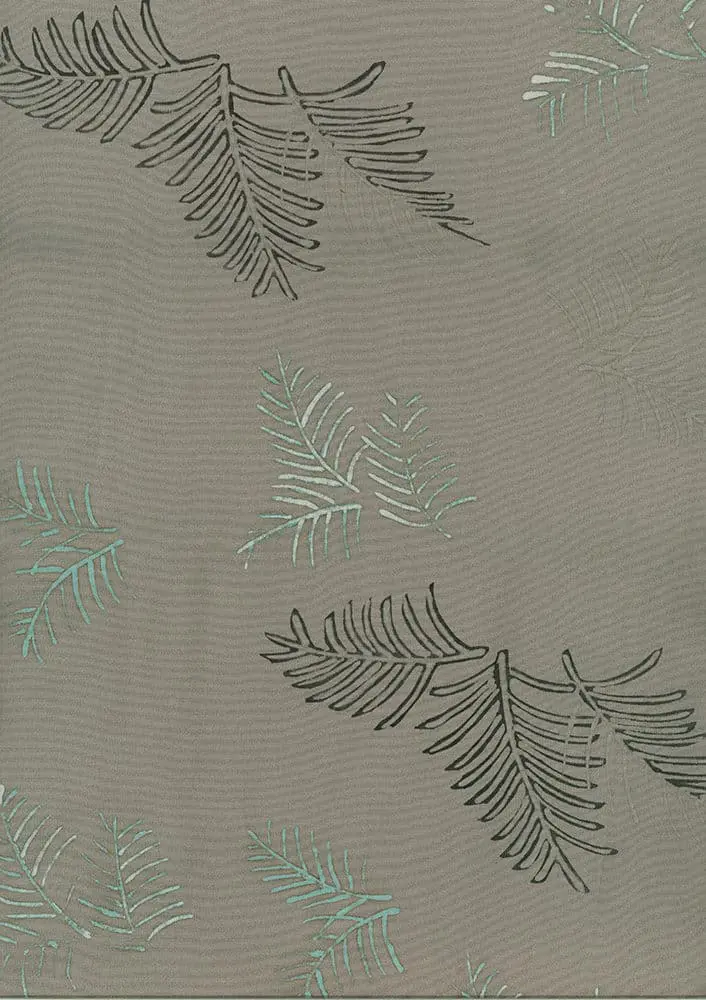
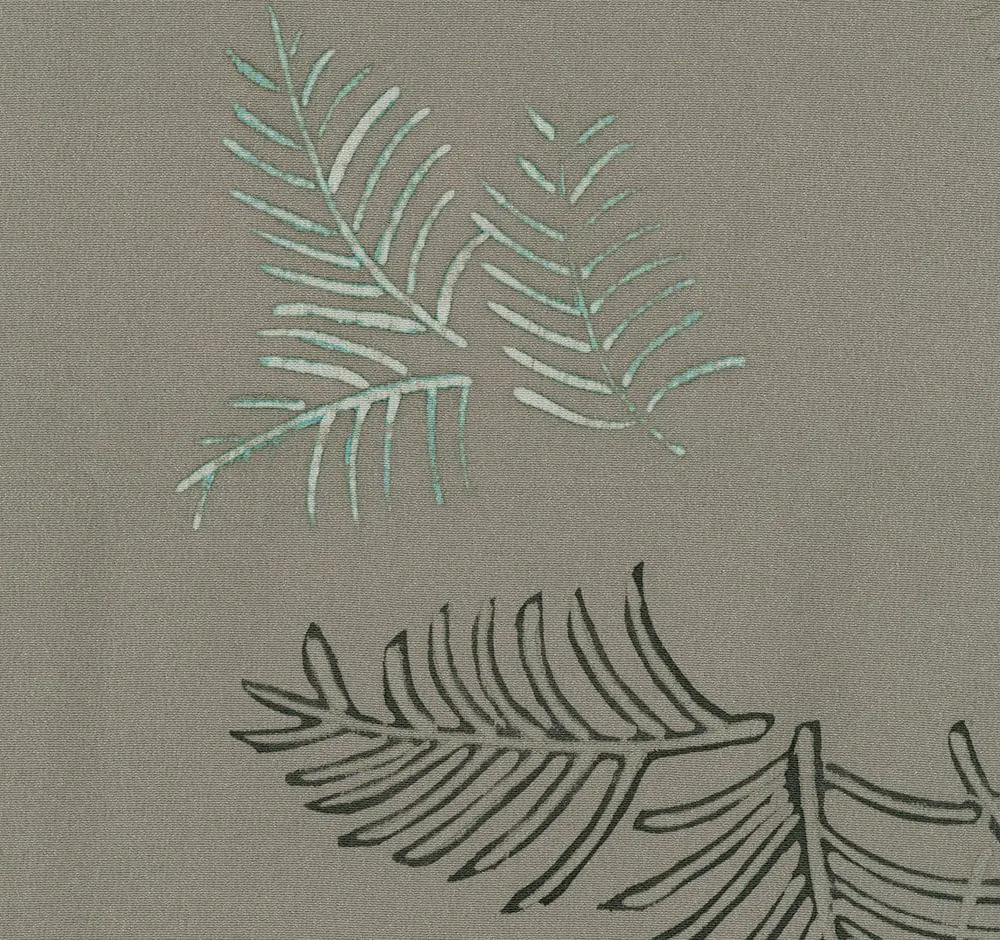
This understated and elegant textile originates from Japan’s late Showa period (1950–1980), a timeframe noted for its mastery of naturalistic botanical themes on textured grounds. Measuring as a complete panel from a disassembled kimono, the fabric is a high-quality chirimen silk, a crepe weave beloved for its distinctively pebbled surface and heavy, graceful drape. The base material features a sophisticated neutral tone resembling light brown or tan and remains in excellent condition with all original construction threads meticulously removed.
The visual narrative is defined by a delicate scattering of ferns rendered in a nuanced palette of brown, grey, pale green, and black. These botanical motifs are executed with fine linework, capturing the feathery complexity of the fronds as they appear to drift across the neutral field. The varied tonal application of the dyes provides a sense of organic depth, mimicking the way light filters through a forest canopy. This scholarly approach to color and composition reflects the refined handcraftsmanship inherent in late 20th-century Japanese textile arts.

Payment Options: We primarily accept PayPal for all transactions. Credit and debit cards are not accepted. If you prefer to pay by personal check instead of PayPal, please note this preference in the "Additional comments" field when placing your order.Ordering Process
To receive your PayPal invoice, simply fill out the form.
Shipping Details: We ship all orders to the address associated with your PayPal payment. Please ensure your PayPal shipping address is current and accurate.A phone number is required during checkout, as our shipping carrier may need to contact you regarding delivery questions.Shipping RatesUnited States and Canada: $20International destinations (air mail): $40
